Stories of a life that still speaks
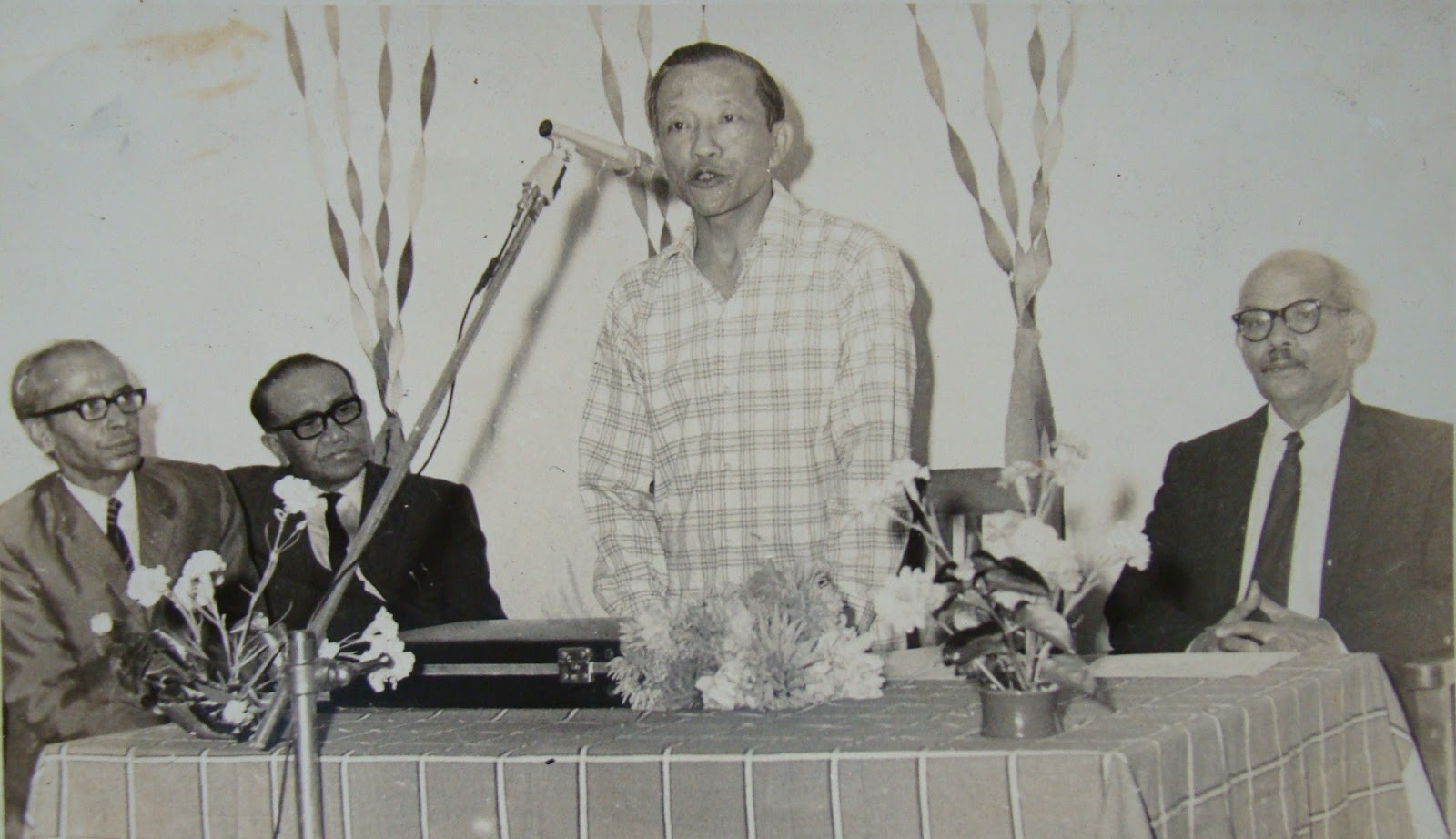
Every year when 17 November comes closer, my heart and mind drift back to a man who is no longer in this world. He moved on to the next world 31 years ago on this day. He was a brilliant man with ideas far ahead of his time. His research and thoughts helped lay the foundation that changed northeast India, especially Assam and Meghalaya. |
| A moment of him, captured in quiet pencil lines |
My dad, Professor S. K. Acharya, had a clear vision of linking the Brahmaputra with the Ganges. He wrote about it more than fifty years ago. People may have thought it was too radical then, yet it has turned real in today’s world. And now look at what has happened. The world’s longest river cruise is running. A fifty-one day journey across three thousand kilometres. Tourists from around the world are coming, and it has boosted the tourism sector of the northeast. I often feel he would have smiled seeing this.
I remember the day, 17 November 1994, with absolute clarity. Early that morning my late brother-in-law, Monujesh Borooah, called from Calcutta to tell me about my dad’s passing. I was in Shillong, living alone and working in journalism. Barely a week earlier I had spoken to my dad over the phone. His voice had sounded a little weak. A couple of days later I made another STD call to discuss something for a story I was writing. He did not answer. My mother too did not pick up. I assumed they may have gone to the National Library and that my mother had gone with him. Later that evening I tried again. I also tried calling my siblings’ home in Calcutta. There was no response. This worried me, and by the night of the 16th I decided to travel to Calcutta the next day. But the news came before that. Monujesh’s phone call on the morning of the 17th felt like a shock from nowhere.
Those were the days without mobile phones, Internet or ATMs. Only landlines. All India Radio’s morning regional news bulletin carried the news of his passing. I did not have the coordinates of my eldest sibling as I was not sure where he was posted then. Through a friend I managed to send the message to his office under the Ministry of Defence.
It was a bright but cold morning in Shillong. The telephone started ringing with calls from friends and well-wishers. I had to reach Calcutta quickly but did not know how to get a confirmed ticket. Air travel was still considered a luxury or used only in emergencies. Rail travel was the usual way.
Shillong UNI bureau chief, S. Bhattacharya, called Sheba Travels and also Guwahati airport to keep a ticket reserved for me on the 3:10 pm Airbus-330 Guwahati–Calcutta flight IC 230. I rushed to Police Bazar (Khandailad) and was lucky to find an ambassador taxi returning to Guwahati. A newly married couple was in the back seat after their honeymoon. I asked if I could sit in front as I needed to catch a flight to attend my father’s last rites. They agreed without hesitation. We did not even stop at Nongpoh, which was the routine mid-point halt between Shillong and Guwahati. The driver was careful and fast, and soon I reached Paltan Bazar.
But from Paltan Bazar to the airport there were hardly any taxis left since most had already gone for airport drops. It was around 2:10 pm and I felt the panic rising. I somehow reached the airport. When I reached the Indian Airlines ticketing counter it was 3:15 pm. I told the lady at the counter I had come from Shillong and a priority ticket was kept aside. She recognised it immediately and said they were waiting for me and several announcements had been made, but I was late. She said she would try to speak to the pilot as the doors were already closed.
From the glass panel of the lounge I could see the Airbus 330 with its doors shut. The strobe lights were on. The ladder truck had pulled away from the rear door. Even the front door was closed. Then the ladder truck paused, reversed and reconnected to the front door again. The counter lady handed me a boarding pass and told me to run. I climbed up the ladder alone. The air hostess guided me to my seat, the first window seat on the right side of the door. One of the air hostess seats was right in front of me, face to face.

The days that followed were very sad. I missed him and cried privately for months. A few days before he was admitted to the hospital, he had written a letter by hand to a senior Member of Parliament. It was still on his table. His research papers, typewriter were all kept in place in his room, almost as if he was still around. I saw the thick file on his Brahmaputra–Ganges project. Even the huge folded blueprint map was inside it. And then one day that file simply disappeared from the house. I often think of how the authorities picked up his ideas and used them without even acknowledging him.
He was far more than just a thinker. He was a teacher. He was the founder Principal of Shillong Commerce College, earlier known as Commerce College, Shillong. His ideas helped shape policies like Look East and Act East. He believed deeply in education. He even turned down a well-paid offer from a university in South Africa so that he could build the commerce college from scratch.
During the B. P. Chaliha government in Assam in the 1950s and the B. B. Lyngdoh government in Meghalaya in the 1970s, he would be invited for personal consultations on economic matters. It was an honour, and both Chief Ministers saw his originality in those areas.
For a glimpse into the campus I grew up observing – Shillong Commerce College – here's an older post: Shillong Commerce College: A Chronicle of Vision and Triumph
He also helped set up the Centre for Ethno Social Studies in Calcutta, which is no longer functioning now. His research covered subjects like mutual economic cooperation between Bangladesh and eastern India. He always believed this region could grow hand in hand.
He also had a lighter side. Once he went for dinner wearing my mother’s petticoat without realising it. Another time he took the wrong suitcase for a trip. He was absent-minded at times, but we loved that part of him. It made him who he was.
For those who wish to listen, here is the AIR broadcast from the morning of 17 November 1994, the day the news of his passing was carried
Those were the days without mobile phones, Internet or ATMs. Only landlines. All India Radio’s morning regional news bulletin carried the news of his passing. I did not have the coordinates of my eldest sibling as I was not sure where he was posted then. Through a friend I managed to send the message to his office under the Ministry of Defence.
It was a bright but cold morning in Shillong. The telephone started ringing with calls from friends and well-wishers. I had to reach Calcutta quickly but did not know how to get a confirmed ticket. Air travel was still considered a luxury or used only in emergencies. Rail travel was the usual way.
Shillong UNI bureau chief, S. Bhattacharya, called Sheba Travels and also Guwahati airport to keep a ticket reserved for me on the 3:10 pm Airbus-330 Guwahati–Calcutta flight IC 230. I rushed to Police Bazar (Khandailad) and was lucky to find an ambassador taxi returning to Guwahati. A newly married couple was in the back seat after their honeymoon. I asked if I could sit in front as I needed to catch a flight to attend my father’s last rites. They agreed without hesitation. We did not even stop at Nongpoh, which was the routine mid-point halt between Shillong and Guwahati. The driver was careful and fast, and soon I reached Paltan Bazar.
But from Paltan Bazar to the airport there were hardly any taxis left since most had already gone for airport drops. It was around 2:10 pm and I felt the panic rising. I somehow reached the airport. When I reached the Indian Airlines ticketing counter it was 3:15 pm. I told the lady at the counter I had come from Shillong and a priority ticket was kept aside. She recognised it immediately and said they were waiting for me and several announcements had been made, but I was late. She said she would try to speak to the pilot as the doors were already closed.
From the glass panel of the lounge I could see the Airbus 330 with its doors shut. The strobe lights were on. The ladder truck had pulled away from the rear door. Even the front door was closed. Then the ladder truck paused, reversed and reconnected to the front door again. The counter lady handed me a boarding pass and told me to run. I climbed up the ladder alone. The air hostess guided me to my seat, the first window seat on the right side of the door. One of the air hostess seats was right in front of me, face to face.

 |
The ticket and boarding pass of Flight IC 230 I used on that difficult journey to Calcutta on 17 November 1994 This was the original Sheba Travels envelope in which my ticket was issued |
At Calcutta airport, Monujesh was waiting. He drove me straight to the hospital and then to the electric crematorium for the final rites of my dad. I remain grateful to everyone who helped me reach Calcutta that day.
The days that followed were very sad. I missed him and cried privately for months. A few days before he was admitted to the hospital, he had written a letter by hand to a senior Member of Parliament. It was still on his table. His research papers, typewriter were all kept in place in his room, almost as if he was still around. I saw the thick file on his Brahmaputra–Ganges project. Even the huge folded blueprint map was inside it. And then one day that file simply disappeared from the house. I often think of how the authorities picked up his ideas and used them without even acknowledging him.
He was far more than just a thinker. He was a teacher. He was the founder Principal of Shillong Commerce College, earlier known as Commerce College, Shillong. His ideas helped shape policies like Look East and Act East. He believed deeply in education. He even turned down a well-paid offer from a university in South Africa so that he could build the commerce college from scratch.
I once wrote about how his work went largely unacknowledged by authorities and media, that reflection is here: Salil Acharya: The Forgotten Trailblazer
During the B. P. Chaliha government in Assam in the 1950s and the B. B. Lyngdoh government in Meghalaya in the 1970s, he would be invited for personal consultations on economic matters. It was an honour, and both Chief Ministers saw his originality in those areas.
For a glimpse into the campus I grew up observing – Shillong Commerce College – here's an older post: Shillong Commerce College: A Chronicle of Vision and Triumph
He also helped set up the Centre for Ethno Social Studies in Calcutta, which is no longer functioning now. His research covered subjects like mutual economic cooperation between Bangladesh and eastern India. He always believed this region could grow hand in hand.
He also had a lighter side. Once he went for dinner wearing my mother’s petticoat without realising it. Another time he took the wrong suitcase for a trip. He was absent-minded at times, but we loved that part of him. It made him who he was.
For more of his light-hearted moments, here's a post I wrote earlier: Celebrating Prof. S.K. Acharya: A Brilliant Mind
He was a poet, an artist and a wonderful dad. I can still picture him sitting at his desk writing his poems or sketching ideas for his next project. He was always working on something. And he was always there for us.
He was a poet, an artist and a wonderful dad. I can still picture him sitting at his desk writing his poems or sketching ideas for his next project. He was always working on something. And he was always there for us.
 |
| A peaceful Shillong morning from my lens |
I feel proud of all that he did, and I miss him. He left us, but his influence remains. We remember his big ideas, his gentle nature and his unique humour. He would have been happy to watch his ideas taking shape today, and to see how they are making a difference.
When I look back at his life, I am struck by how much he achieved. He dared to dream and then work towards it. There is something to learn from that. I write this not only to remember him, but to share a part of him with others. If you have ever lost someone who inspired you, I would love to hear your memories.
When I look back at his life, I am struck by how much he achieved. He dared to dream and then work towards it. There is something to learn from that. I write this not only to remember him, but to share a part of him with others. If you have ever lost someone who inspired you, I would love to hear your memories.
Follow/Subscribe TimesView Blogspot